Comfort > authenticity (Chicago)

There are few things in the world that I care less about than cars.

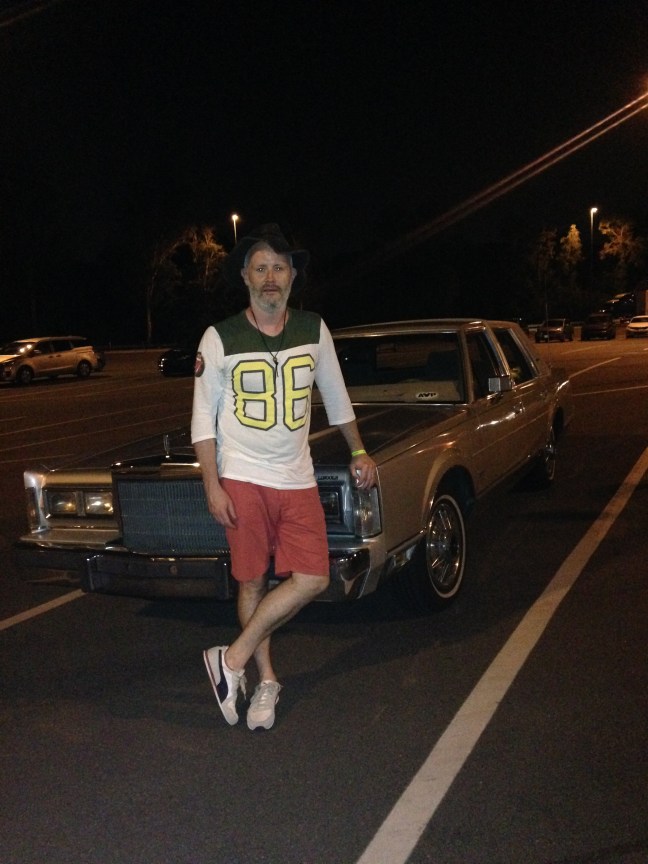
But when I started seriously thinking about doing a bit of a road trip in the US, and realising that it would cover a huge chunk of Route 66, I imagined that we’d do the journey in something appropriate at least. Something different from the Toyota Aygo or Ford Fiesta hires that I use for cutting about semi-rural Scotland. I’ve listened to enough American music, seen too much US TV or movies, and read plenty American novels to know that we should be driving a Chrysler, a Pontiac, a Cadillac, a Chevy, a Dodge, a Mustang or the Lincoln thingy that I saw earlier in the trip:

img_0645

When Ali arrived in Chicago on Thursday night, I had pretty much settled that we’d get some sort of Buick. It sounded American and has the additional virtue of being the subject of a Bob Dylan song. Yep, that was the one. Definitely….

Reader: we shat it.

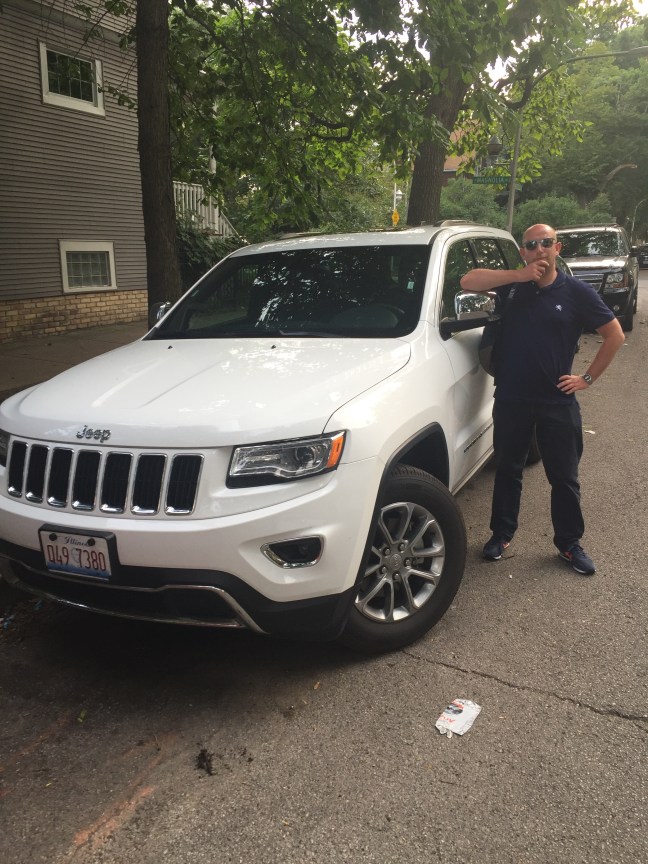
Instead, we were seduced by the Alamo car hire guy into getting a massive Jeep. The prospect of 30 degree-plus heat every day, just AM radio for entertainment, and a paper map for 10 days was too grim for pampered man-children like us. We opted for state of the art air conditioning, Bluetooth audio, Sat Nav and deep coffee cup holders. Lewis and Clark would have done the same.

img_1633

2120 S. Michigan Avenue (Chicago)

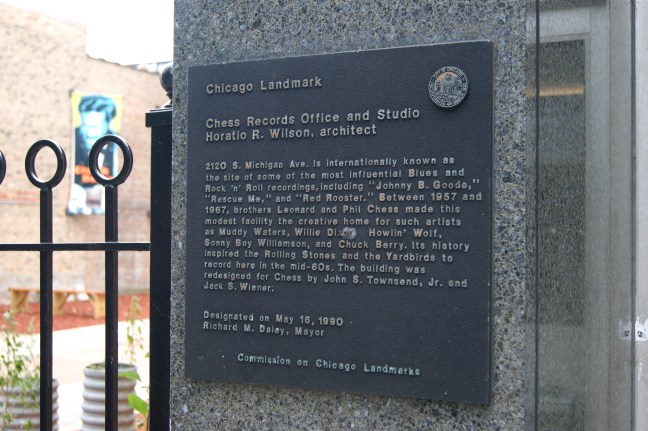
After visiting Muddy’s grave on Thursday morning, Dan and I spent some time at the last resting place of Chess Records, on 2120 South Michican Avenue in Chicago. 

SONY DSC
Outside the old Chess Records studio

I’d always been keen to visit Chess on this trip. Only Motown (Hitsville USA) in Detroit and maybe Sun Records in Memphis could be seen as more important to popular music; and even then, I reckon that spending time here at this place between 1956 and 1965 would have been the biggest thrill. During that time, Muddy Waters, Howlin Wolf, Etta James, Bo Diddley, Little Walter, Maurice White, Buddy Guy, The Rolling Stones and loads more all worked (and often lived) in these studios, making hundreds of the very greatest records of all time. 

SONY DSC
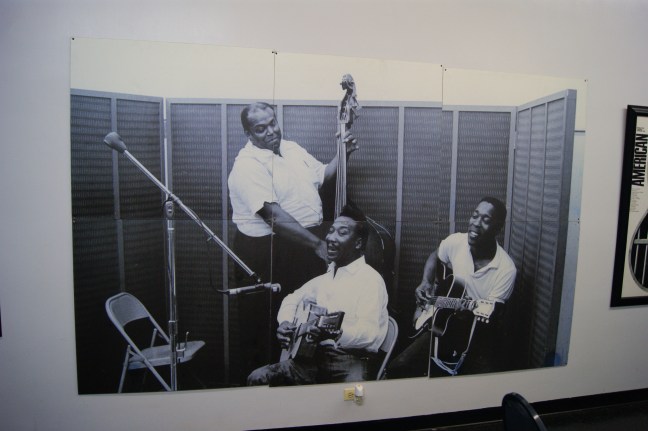
Willie, Muddy and Buddy

I ranted earlier today about the absence of a proper museum to the Blues in Chicago* but 2120 South Michigan Avenue might be the closest thing to it. The building is now owned and managed by “Willie Dixon’s Blues Heaven Foundation”, and they’ve done a good job keeping the facility up and running, running tours around the remaining rooms and curating a few bits of memorabilia and old kit. 

There’s a big focus, rightly, on Willie Dixon himself (in fact, our tour this afternoon was conducted by his grandson) and showcases his massive contribution to Chess Records, the Blues and Rock N Roll in the 50s through to the early 90s. He’s probably best known for his songwriting: he penned a series of sold gold classics in time at Chess including “Hoochie Coochie Man”, “I Just Want to Make Love to You”, “Back Door Man”, “Spoonful”, “Wang Dang Doodle” and “Little Red Rooster”.  

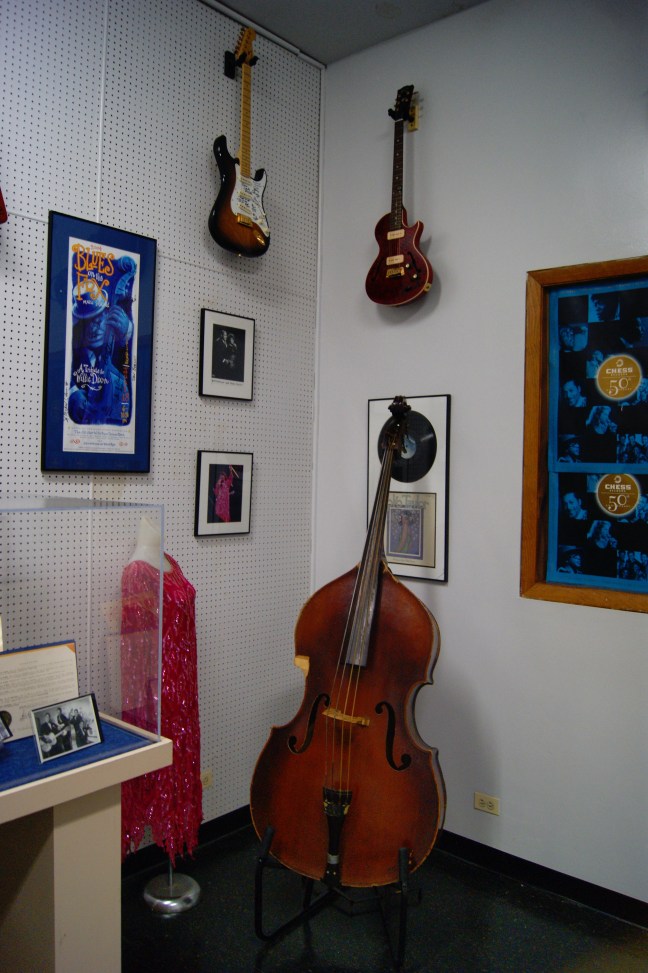
I got to play Dixon’s upright bass – pictured in the photo below, which was quite a thrill. Though he didn’t write for Chuck Berry (another, perhaps the greatest, of the Chess alumni), he played bass on most of those early records: “Maybelline”, “Carol”, “Roll Over Beethoven”  and “Johnny B. Goode”.

SONY DSC
The ‘bass’

In the very early days, Chuck would drive from his home in St Louis to Chicago to get to Chess Records: a five or six hour drive there and back again. Tomorrow, my mate Ali and I will do some of that drive: the first part of Route 66, and specifically to see Berry’s old stomping ground. 

*still annoyed about that 

Muddy Waters (Chicago)

One of my favourite moments of the last year took place just before Christmas. My mate Stu let me play a few records at one of his Club Nitty Gritty nights. He always plays a load of great soul, country and 60s pop records, but among the pile of indie landfill vinyl I took along with me that night was Muddy Waters’ “Hard Again” from 1977.

I put on “The Blues Had A Baby And They Named It Rock N Roll” from the LP and within a minute a guy came up asking what it was, saying how great it was: “it’s fucking amazing, man!”. He was already a few drinks down but he was right: it is amazing. And it was a great feeling watching him immediately try to download it, and maybe – later on – get the whole record.

Keith Richards calls Muddy Waters ‘The King of the Blues’ and it’s a fitting title. Check out footage of him on YouTube or the recently released ‘Live at The Checkerboard’: in all of it, he’s regal. He dominates the stage, undoubtedly the boss, the chief. Watch his performance on ‘The Last Waltz’; Scorsese daren’t take the camera off him.

Then there’s the music. He was a singer, guitarist and composer and led a band that at various times had Willie Dixon, Little Walter, Buddy Guy and Otis Spann in it. He basically invented electric blues. Before he pitched up in Chicago from Mississippi in the early 40s, his kind of music was all acoustic, and in club gigs guitars could barely be heard over the noise of the streets outside. So he plugged into an amplifier: the sound of the blues – and Rock N Roll – was changed forever. The Rolling Stones named themselves after one of his songs, Led Zeppelin ‘borrowed’ a few of them, and Jimi Hendrix’s “Voodoo Chile” emerged from his “Catfish Blues” which he played live in the late 60s.

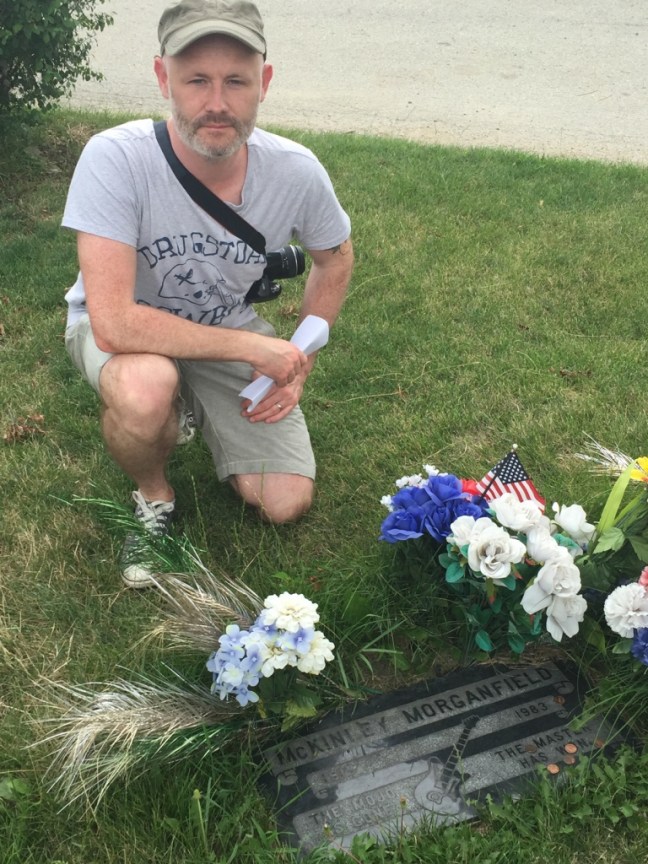
He died in 1983 and is buried in Restvale Cemetery in a place called Alsip, to the south of Chicago. My mate Dan drove me there this morning (through – it must be said, some pretty grim parts of the city: many areas just seem neglected, almost ghostly during the day). We arrived just as a thunder storm was starting. His gravestone was easy to find, with his real name “McKinley Morganfield”, a guitar and the line ‘The Mojo Is Gone’ enough to identify him.

thumb_img_1627_1024

For someone so important (to American music, and the history of modern Chicago at least) it seemed not just understated but a bit underwhelming.

And that’s true of Chicago more generally. Trying to find any memorial to the guy here is nigh-on impossible: his former home on Lake Park Avenue is apparently vacant and dilapidated. The clubs where he played are mostly gone, with the famous 47th Street mostly flattened. Later today, we are going to the home of Chess Records where there are bits and pieces of Chicago Blues memorabilia but nothing befitting its vital (yeah, that important) contribution to western popular culture.

It’s galling in another way too.

Dan was telling me on the way down to the cemetery that plans to host George Lucas’s £750m ‘Narrative Arts Museum’ in Chicago had in the last month been canned. The city and its Mayor had been bending over backwards to accommodate Lucas on a waterfront site, but the plans ran into planning problems and resident groups’ objections.

I love most of Lucas’s work and I don’t care about his museum being in Chicago, where he has no real connection. But surely the city could put just some of that effort into making a Blues Museum happen, and honour folk who actually lived and contributed to the place? It’s long overdue.

Dan and I played loads of Muddy’s tunes in the car today. I laughed at ‘Hoochie Coochie Man‘, when he sings: “You know I’m here/Everybody knows I’m here”. It seems like that isn’t the case in his own adopted home.


21 years (Andersenville, Chicago)

I arrived at O’Hare airport late this afternoon and met my good mate Dan, with whom I’ll be staying for a couple of days. He’s lived in the States for over 10 years now, firstly in North Carolina and now in Chicago where he is one of the high-ups in a research lab for one of the big pharmaceuticals. He is a nephrologist, doing bafflingly complex (and probably life-saving) work on drug transportation in human kidneys.

Back in the mid-90s, we lived in student halls in Aberdeen then a shared flat with 5 other (male) students. Neither of us really misses the unstable chemistry of adolescent hormones, cheap alcohol and bad hygiene in those places.

But I know both of us had some great times. We were reminiscing tonight about summer 1995 when – without really planning it – he and I hopped on some CityLink buses and followed Teenage Fanclub around Scotland during their Grand Prix tour. After their Glasgow gig (at the Plaza) I remember taking him to a lock-in a pub in Yoker. We were both leathered on Tennent’s lager at the time which may go some way to explaining how he fell for one of the “really sweet” barmaids there. She was sacked the following week for dipping the till.

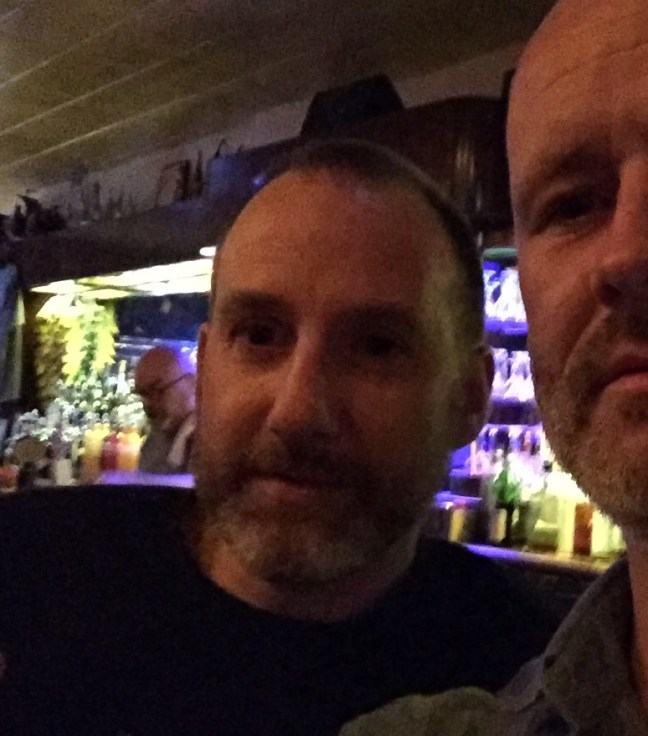
Tonight he took me to Simon’s Bar, in Andersenville. There were no barmaids there; they sell Schlitz beer not Tennent’s, and the house band (the terrific Western Elstons) are a long way from Teenage Fanclub. We still share a certain look though: 20 years on and separated by the Atlantic, we have merely swapped unruly hair and acne for male pattern baldness and lazy beards….

fullsizerender

Nerdy music stuff tomorrow.

Dear Chicago (IL)

I’m writing this on a flight from New York bound for Chicago: the first place I ever visited in the US, nearly 16 years ago now, and which holds many happy memories.

In late 2000, I joined Arthur Andersen’s graduate management consulting scheme, mainly for its training programme which featured a two-week boot camp at what is now the q-Center in St Charles, on the Fox River a short ride from Chicago itself. The facility was pretty special: essentially a large hotel & conference centre that held and entertained several hundred delegates at a time. Andersen owned this place and used it for its global learning & development initiatives, including the indoctrination of its junior staff from across the world. My cohort had young men and women from over 20 countries, thrown together in a succession of small teams over several days, and charged with solving knotty business problems. At that time, the tailend of the first dotcom boom, most of the solutions seemed to involve mindless, bingo-honking impenetrable jargon about digital & energy marketplaces* or a so-called ‘war for talent’.

The whole thing was a hoot though, up there with the very best days of my life.  I recall watching a guy from Hong Kong standing outside our classroom in -10 degree temperatures (it was December in Illinois) as he saw and felt snow for the first time. I witnessed a fella called Jonathan from Ohio punch himself hard in the face – and draw blood – because he lost out in some meaningless inter-classroom test. I saw a tiny girl from India (Deepa, I think her name was) completely destroy two of the French guys in my group in an arm-wrestling competition. I can never forget seeing one of our colleagues from the Far East come piling out of his bedroom one night dressed in what can only be described as a tellytubby outfit. I was in the audience for an impromptu presentation by two of my English colleagues on “our favourite motorways”: to this day, I still chuckle at the baffled but politely enthusiastic reaction of the American, Canadian and Far Eastern audience members to images of a traffic-coned M40.

The 2000 presidential race was still being played out then, with no definitive outcome at that point from the recount in Florida. Being exposed to 24-hour CNN coverage was a revelation for a political geek like me, as was being around Americans who had voted just weeks before.  One of my team mates was a girl called Kim from New York. She was whip-smart, articulate, good-fun and good-looking: obviously liberal, right? I couldn’t have been more wrong. She railed against ‘Sore-Loserman’ (Gore-Lieberman) and made a more compelling economically conservative case for Bush-Cheney than they themselves ever managed.

I made some lifelong friends in those two weeks. There’s certainly four or five people from that trip who – even after a decade of diverging career paths and new lives overseas – I know I will always be in touch with (there’s a few in the photo below, the only picture I have from that trip). And that was forged in classrooms and dining rooms and pool halls in St Charles and (at the weekends) in shitty motels, burger joints and some terrifying nightclubs in Downtown Chicago.  We climbed skyscrapers together, went to Cadillac Ranch (RIP) together, got taken home in a police car together, went to Ice Hockey and Football games together – none of which would have happened without that artificial work environment and it being a massively exciting US city.
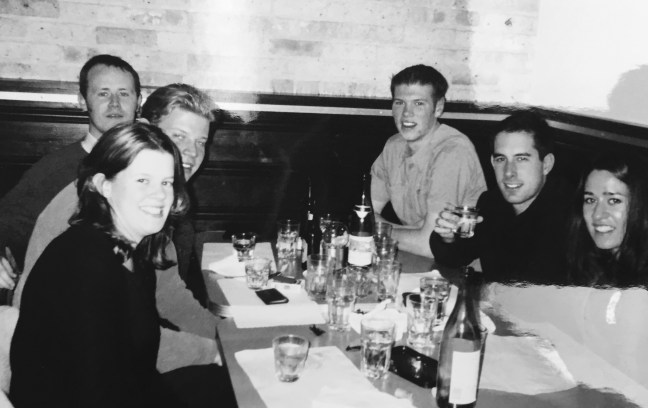
St Charles

It’s merely a coincidence that two of my all-time favourite bands/artists have great songs about Chicago:

Ryan Adams’ “Dear Chicago

The Hold Steady’s “Chicago Seemed Tired Last Night”.

PS

* The Arthur Andersen firm imploded spectacularly a mere 18 months later, its accountancy arm implicated heavily in the Enron scandal of 2002. Many of the staff in the UK were fortunate enough to be taken on by other consulting firms (I and some of my friends moved relatively seamlessly to Deloitte) but others weren’t so lucky. I’ll never forget one of those days in summer of 2002 – it seems apocryphal now but it genuinely happened – when I sat at a bank of about 12 hot-desks at the office on Surrey Street in London. Every 20 minutes or so, a phone would ring; one of my colleagues would answer, collect his or her laptop and papers and head off to a meeting with HR, and not return. Five or six times that happened that particular day; victims of a pretty random and panicky cull of staff designed to reduce overheads at a business losing clients and projects at a terrifying rate.

I remain amazed that an apparently successful company of nearly 90,000 employees, turning over nearly ten billion dollars a year – and with a history dating back to the 1920s – simply disappeared in literally just a few weeks.

There’s a great business book to be written about the firm someday. It will touch on hubris, complacency, compromise. It will address the value of reputation in ‘people’ businesses definitely. It should talk to the risks as well as opportunities for global firms (I recall the contortions the MD of the business in the UK performed on Newsnight, as he tried to dismiss the company’s problem as a US issue, despite our marketing constantly trumpeting our presence in over 100 countries).

And it should consider the importance of core principles and how devastating a betrayal of those was for Andersen. One day one, and in those days I spent in Chicago in 2000 (the home of the firm), we were taught the importance of the company motto: “Think straight, talk straight”. When it seemed to rejoice in ludicrously complex off-balance sheet accounting and the aforementioned energy marketplaces – that it couldn’t explain to otherwise bright young graduates – Arthur Andersen had simply stopped thinking and talking straight.

The Wall and the Statue (NYC)

It’s difficult to do much in the US at the moment (I’m writing this in mid-July) without recognising the long shadow of the 2016 Presidential Election, and more specifically the villain of the piece: Donald Trump. The Republican National Convention finished a few days ago and the immediate fall-out has focused on blatant plagiarism by his wife, the potential First Lady, of Michelle Obama’s speech in 2008. What’s most striking – amid frenzied non-stop TV and newspaper coverage – is that no one appears to be pointing out just how amateurish his operation must be if that kind of high-profile gaffe can be made.

Still, it took the focus away from the other Trump tropes for a few hours. Despite an obvious softening of his language towards Muslims, the other anti-immigration stuff was still there: stories of Americans murdered by individuals who crossed the border illegally, a vow to create a wall along the US-Mexico border, constant allusions to significant tightening of security.

The traction he’s getting at the moment isn’t just politically or philosophically jarring: it’s almost visibly shocking. The ‘New York is a melting pot’ cliché is nonetheless true: near 40% residents are ‘foreign-born’; big Jewish, Muslim and Buddhist populations; 800+ languages spoken; literally thousands of restaurants.

And the big set-pieces reinforce the disconnect between Trump/Republican rhetoric and (without getting too misty-eyed) what this country is founded on. Two simple pictures taken this afternoon en route to and on Liberty Island were an open goal:

The coolest street in NYC (New York)

(Warning: if you’ve no interest in dad rock from the 70s and 80s, this is not for you)

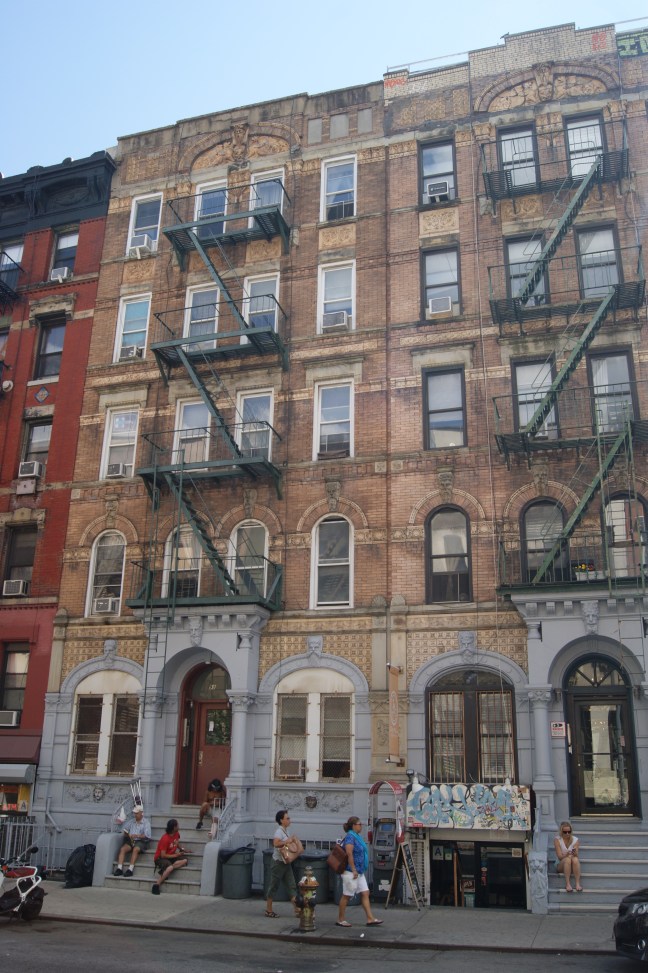
In New York City itself, I walked last week from the Lower East Side across to St Marks’ Place to see what is – still – an iconic building. Anyone with any interest in 1970s music will recognise it from the cover of Led Zeppelin’s 1975 album ‘Physical Graffiti’.

SONY DSC
SONY DSC

The record itself is my favourite of theirs. As a double LP, it allows them to showcase everything they’re good at: the hard rock stuff like ‘Houses of the Holy’, ‘Custard Pie’ and ‘Trampled Underfoot’; the pompous orchestral pieces like ‘Kashmir’; jaunty English instrumentals like ‘Bron-Yr-Aur’ and greasy blues like ‘In My Time Of Dying’.

One of the lesser celebrated songs on Physical Graffiti is “Boogie With Stu”, which features and namechecks a guy called Ian ‘Stu’ Stewart (he also played on ‘Rock And Roll’ from Led Zeppelin IV). Stu was born in the tiny village of Pittenweem in Fife, Scotland in July 1938 and moved to the South of England in early childhood. He became a leading light in the emerging London Blues and Jazz scene, playing boogie-woogie piano and banjo. In 1962, he and Brian Jones formed The Rolling Stones which – for the first 18 months or so – was initially a six piece. But Stu was ruthlessly dropped from public view when the Stones started to attract attention; their management at the time (and I’m sure Mick and Keith happily acquiesced: they have always been bastards when it comes to personnel) decided that he was too normal, too square, too old-looking to remain a core member of the band. With grace, he hung around as their road manager for the next 20-odd years, and contributed some fine piano playing to many of their greatest records and live performances (albeit stubbornly refusing to play on songs with minor keys). True to his east Fife roots, he became a keen golfer, and annoyed his bandmates by always choosing hotels with golf courses attached to them. He died of a heart attack, aged just 47, in 1985.

The Stones have another connection to this picture though. It’s the location for the 1981 video for “Waiting On A Friend”, one of many god-awful promos they made at the time. There’s not much to it but I’ve always found it oddly compelling and nostalgic. It looks like the New York of the early 80s that I remember from Taxi, from Diff’rent Strokes and from Sesame Street and which were almost alien to someone from Glasgow: with that kind of hazy, steamy glaze everywhere; buildings with big steps leading up to them, and with ladders on the exterior; the constant bustling and jostling on the streets and pavements; and – definitely not the case for Scotland, let alone Glasgow – people of all different colours.

And it’s also quite moving.

As a Stones fan, it’s a real treat to see Mick and Keith just hanging out, smoking, drinking, laughing and just enjoying being buddies. Most of us know that their relationship nowadays is nothing like as close. But even if it was – after 35 years, and as they move into their mid-70s – the opportunities for them, and Charlie and Ronnie, to hang out at all are running out.

Aberdeen > Yale (Connecticut)

We left New York and spent a few days in Connecticut – including time at the excellent aquarium in Mystic (of Pizza fame), and on the beaches along Long Island Sound. Most of our stay though was in New Haven, where the Frisbee was invented and perhaps more notably the home of Yale University. We wandered round the University campus over the course of a weekend, and bullied Lily into some photo opportunities.

My friend Clare was unimpressed.

Ignoring the fact that it produced five U.S. Presidents, 52 Nobel Laureates, several foreign heads of state and The Fonz, she – rightly – poured scorn on an institution with a mere 300 years worth of history:

Our Alma Mater, the venerable University of Aberdeen, has been on the go for a 521 years now – up and running while Columbus was ‘discovering’ what then became America…


Brussels (still New York)

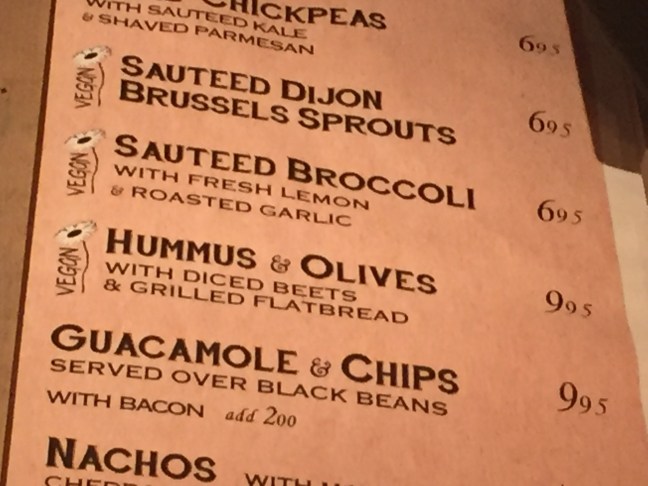
I’d been told by Siobhan and Rachel Kobza that the States is increasingly susceptible to crazy, hipster food trends, perhaps more so than even London. I had forgotten about that warning until I spotted this menu from a place called Greydog in New York City.

IMG_1536

“Sauteed Dijon Brussel Sprouts”.

FFS.

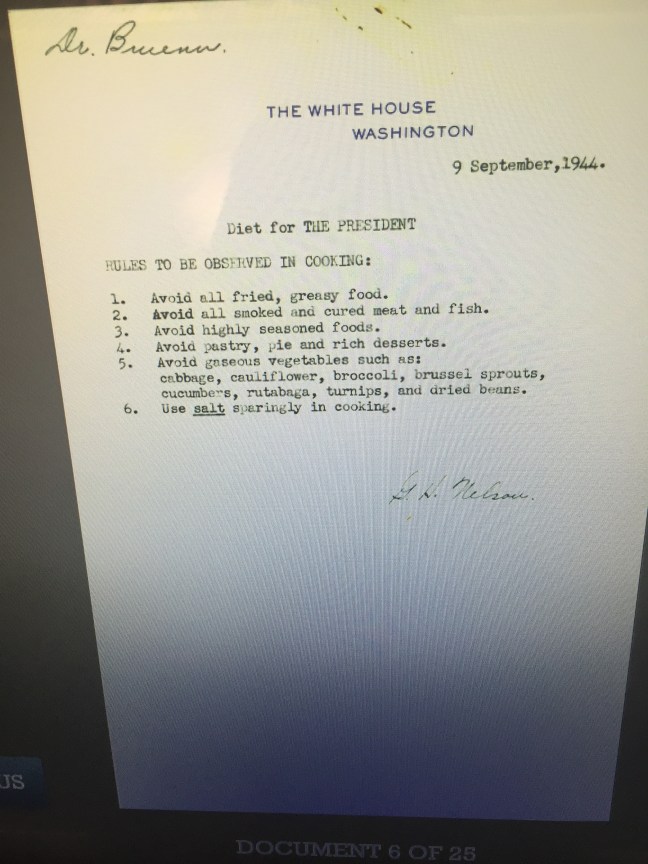
The day before, I spotted guidance from FDR’s doctor regarding his diet. In point 5, she makes it very clear that Brussel Sprouts should not be sautéed or dipped in Dijon:  they should be avoided altogether.

IMG_1500

Good advice.

Uncle Sam is from Greenock (New York)

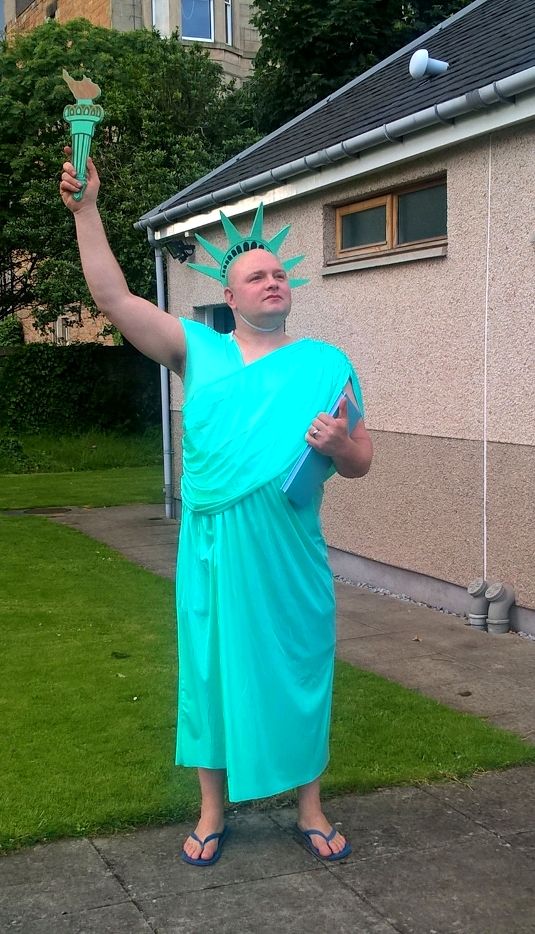
I had an American Independence Day themed party a few weeks ago and, on the day itself, I was bullied into wearing a highly flammable Uncle Sam outfit. (Incidentally, my brother in law Ross won the prize for best outfit, as you’ll see below).

Ross2

For years I thought that Uncle Sam was a fictional character: I’m sure someone told me a long time ago that his name was simply an extension of the initials U.S. , draped in appropriately patriotic colours and made to resemble an ageing Abe Lincoln.

At the FDR Presidential Library in upstate New York, the tour guide took great pleasure in telling me that he was not only ‘real’ but – inevitably and somehow – Scottish as well.

‘Uncle’ Sam Wilson was the grandson of Robert Wilson, originally from Greenock on Scotland’s west coast.  After time in the US Revolutionary Army, Sam became a successful businessman in the early 19th century firstly through clay and brick making and then meat packing and supply during and after the War of 1812. Barrels and packages bearing combinations of his name and US were long-awaited and well-received by serving troops who in turn referred affectionately to parcels from Uncle Sam.

He is now ubiquitous, recognised across the world, and even had his own ‘day’ (13th September 1989) proclaimed by President George H W Bush.

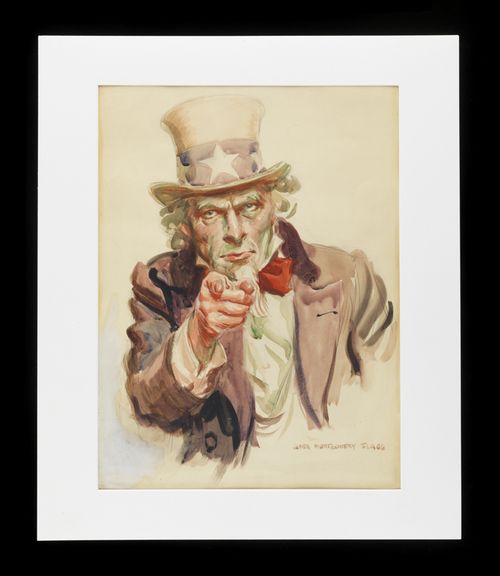
Perhaps the most famous image of Uncle Sam is from this 1917 James Montgomery Flagg painting, used to recruit soldiers for World War 1. It deliberately copied the UK’s similarly iconic WW1 poster of Lord Kitchener (“Your Country Needs You”).

Uncle Sam

Kitchener himself died in 1916 just off the Orkney Islands…on Scotland’s west coast.