By the end of this trip I will have visited six of the 13 Presidential Libraries. I started, in 2009, with JFK’s in Boston – a sharp I. M. Pei designed building on the Columbia Point Peninsula. It’s a good resource, an honest(ish) celebration of his life and legacy, with an appropriate lack of emphasis on the assassination element.
Obviously, there’s loads of that in Dallas. Yesterday, Al and I went down to wander about Dealey Plaza and Elm Street, and visit the Texas School Depository, a building now transformed into The Sixth Floor Museum. We only spent an hour or so there but could easily have spent longer: there’s loads of artefacts, photos, films, interviews and detailed information not only on the assassination and its aftermath but (even more) about Kennedy’s life, his Presidency and its impact.
Hearing the famous contemporary radio recordings and watching the Zapruder film of the killing just 50 yards from where it happened (and being able to see the actual spot) is profoundly moving; several people around me during the tour were in tears at that point, and not all of them were US citizens nor likely to have been alive in 1963.
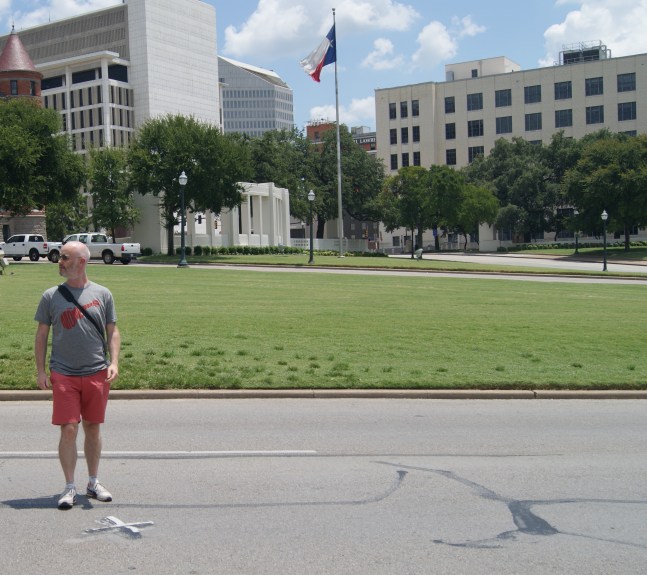
There loads of folk around. I’m a huge Kennedy fan but even I was surprised to see just how much interest there still is in him, more than 50 years on. On a really humid Wednesday afternoon in late July we had to queue up for this museum, and had to shuffle slowly around the various exhibits with a pretty large crowd. The loss of a young, attractive President was shocking enough but the televised horror of his violent death has rendered him immortal.
A final point on JFK. Unlike many Presidents since, he was tested. His adroit handling of the Cuban Missile Crisis in 1962 was one of the most important acts of statesmanship in the past century: it’s no hyperbole to say that he and his team prevented a nuclear conflict that would have had devastating global effects. For that alone, he deserves the adulation.
As planned, we also visited an official Presidential Library in Dallas – George W. Bush’s – hosted by the Southern Methodist University. I hadn’t really thought much beforehand about the similarities between Kennedy and Bush: but both were part of political dynasties, both born into wealthy New England families, both in their early 40s when elected (and through very tight races), and both taking their countries into massively unpopular wars.
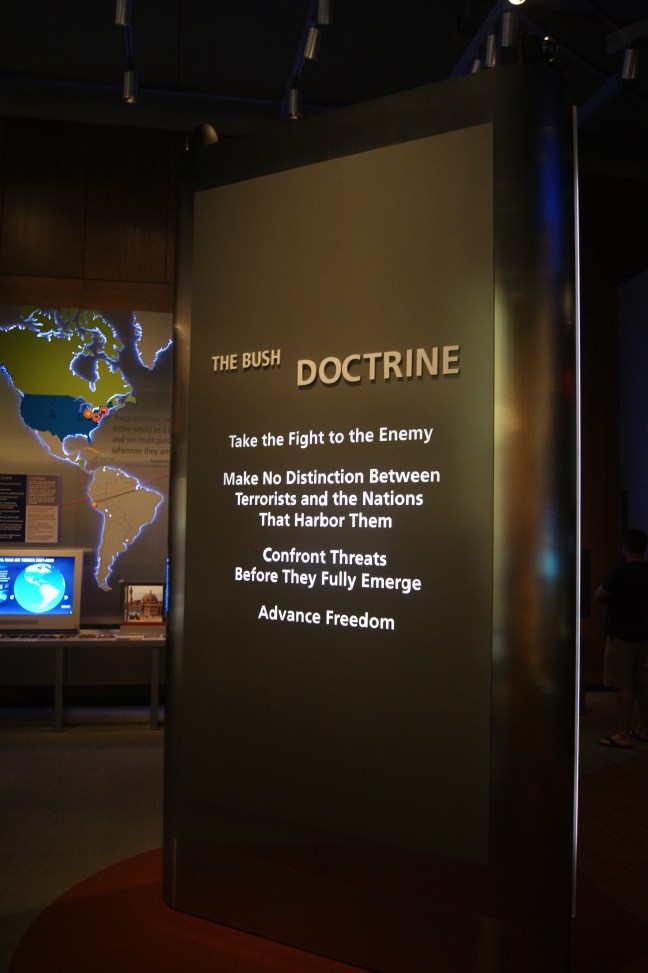
And like JFK, Bush Jnr was tested: most notably by 9/11 and its fallout, by Hurricane Katrina and by the financial crisis of 2008. But it’s likely that history will decide that Dubya just wasn’t up to those challenges.
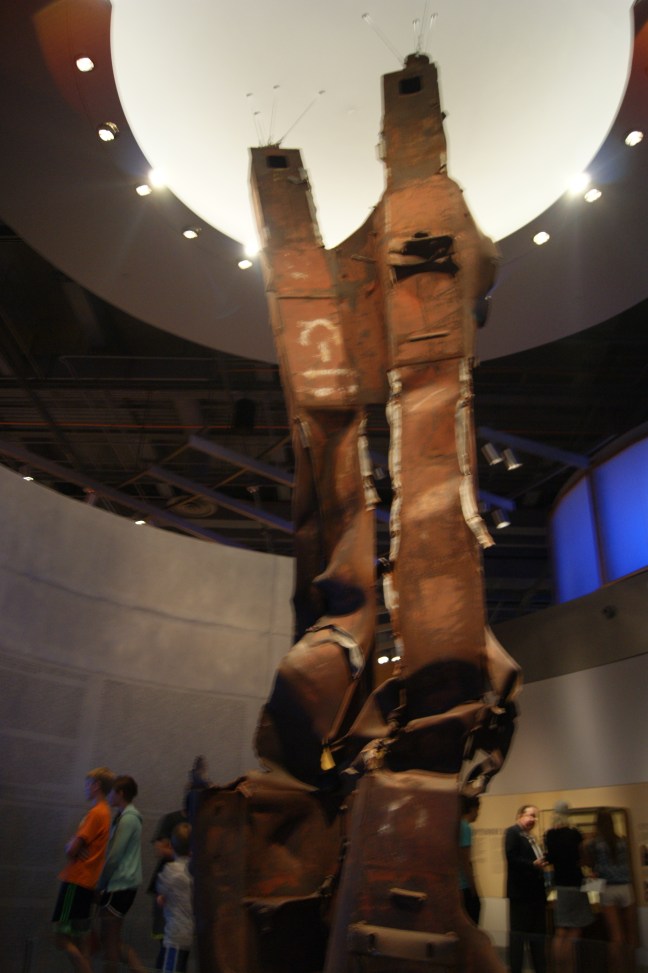
The attack on the Twin Towers is understandably prominent in the museum, and walking through the photos, videos and actual twisted wreckage from Ground Zero is deeply moving. It brought back so many memories of that horrific day (another link to JFK: a genuine “remember where you where” moment…).
The liberal lefty in me was given pause for thought too by some of the spoken word commentary there, and especially that from Condoleezza Rice: “every day after September 11 was September 12; every day you thought it was going to happen again”. It’s hard not to empathise with the fear and panic of the administration in those early days and their need to do something/anything that protected and responded.
That they then squandered the goodwill of the global community in the months and years afterwards is a tragedy now playing out 15 years later and across several continents.
Bush and his team’s responses to Hurricane Katrina were also very poor. After days of relative inactivity by the federal government, the closest Bush actually got to those suffering in New Orleans was from the safety and comfort of the helicopters and planes of Air Force One.
There was something frankly laughable about the museum’s attempts to address that and the economic meltdown of his last few months in office. In a huge space, which took a couple of hours to walk around, just 10 ft is taken up explaining what happened, with no real attempt to detail the complexities of decisions and policy.
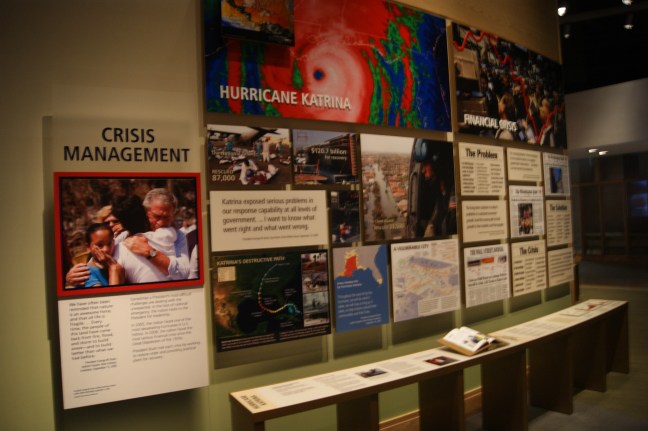
These libraries and museums are by nature celebratory so it’s unlikely that serious criticism would be laid bare – and that’s especially true of a President still very much alive, albeit removed from the public eye.
It may take a couple or three decades before a more balanced picture of the Dubya years emerges here at this facility. And it’s unlikely that he’ll be mourned like JFK 50 years hence.
 snowinginspace